
Why 2026 Will Redefine Technology Hiring and the Leaders Who Get It Right
Article • January 26, 2026
As we enter 2026, the technology employment and staffing landscape is evolving with renewed complexity and opportunity. After several years of market correction following the pandemic-driven hiring surge, the technology workforce is settling into a more deliberate and strategic phase. While overall U.S. job growth slowed toward the end of 2025, with unemployment hovering around 4.4 percent, economists project gradual improvement in labor market conditions throughout 2026 as interest rates stabilize and business investment rebounds, particularly in technology-driven sectors. Technology roles continue to outperform the broader labor market, supported by long-term structural demand for digital transformation, cybersecurity, and data-driven decision making.
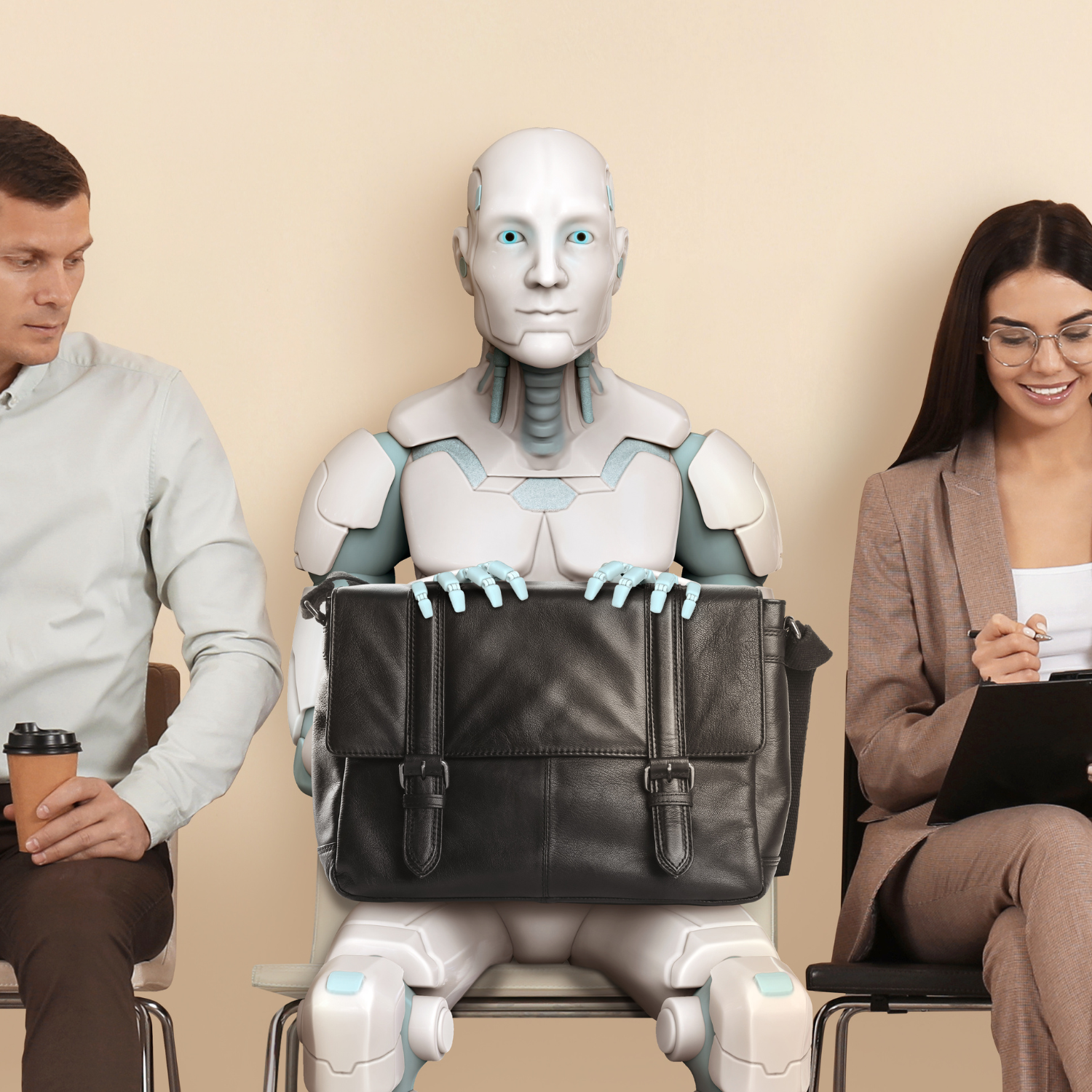
Artificial intelligence remains the most influential force shaping technology employment in 2026. Organizations are increasingly integrating AI into daily operations, with some studies estimating that AI can now perform a significant portion of certain technical tasks. However, this shift has not eliminated the need for human expertise. Instead, it has elevated the importance of judgment, oversight, creativity, and ethical decision making, all of which remain distinctly human capabilities. As many executive leaders are discovering, AI is most powerful when paired with experienced professionals who can contextualize insights and drive outcomes. As Nicole McMackin, CEO of Irvine Technology Corporation, often notes, “Technology will continue to accelerate, but it is people who give it purpose. The organizations that win are the ones that invest just as intentionally in human leadership as they do in innovation.”
Hiring practices are also continuing to evolve, with skills-based hiring becoming a defining characteristic of the modern workforce. Employers are increasingly prioritizing demonstrated capabilities over traditional credentials, particularly for roles tied to emerging technologies such as artificial intelligence, cloud computing, cybersecurity, and data analytics. This shift is expanding access to talent while enabling organizations to align hiring decisions more closely with performance and business impact. For professionals, this reinforces the importance of continuous learning and adaptability, while for employers it highlights the need for more thoughtful, competency-driven hiring strategies.
Demand remains strong for specialized technology roles as organizations modernize infrastructure and strengthen security. Cybersecurity professionals continue to be in high demand due to escalating threats and regulatory pressures, while data, AI, and cloud experts remain critical to operational resilience and innovation. In parallel, technology leaders who can guide organizations through change, communicate effectively across stakeholders, and lead with both technical acumen and emotional intelligence are increasingly valued in today’s environment.
From a staffing perspective, 2026 is shaping up to be a year defined by flexibility and intentional workforce design. Many organizations are expanding their use of contract, consulting, and project-based talent models to maintain agility while accessing highly specialized skill sets. At the same time, there is a growing emphasis on employee experience, retention, and leadership development, particularly as competition for top technology talent remains strong. Data-driven hiring tools and AI-supported recruiting platforms are enhancing speed and precision, but the most successful outcomes continue to rely on trusted human judgment and strong relationships.
As the year unfolds, the technology employment market will be shaped not by extremes, but by balance. Organizations that succeed will be those that integrate AI thoughtfully, prioritize skills while developing people for the long term, and partner with staffing firms that understand both the technology and the human side of the workforce. At Irvine Technology Corporation, we remain committed to being that partner. Our focus is on delivering talent solutions that are strategic, inclusive, and future-ready, while continuing to elevate careers and organizations alike. As Nicole McMackin puts it, “The future of work is not about filling roles faster. It is about aligning the right people to the right mission at the right moment, and doing so with intention, trust, and vision.”
As we enter 2026, the technology employment and staffing landscape is evolving with renewed complexity and opportunity. After several years of market correction following the pandemic-driven hiring surge, the technology workforce is settling into a more deliberate and strategic phase. While overall U.S. job growth slowed toward the end of 2025, with unemployment hovering around 4.4 percent, economists project gradual improvement in labor market conditions throughout 2026 as interest rates stabilize and business investment rebounds, particularly in technology-driven sectors. Technology roles continue to outperform the broader labor market, supported by long-term structural demand for digital transformation, cybersecurity, and data-driven decision making.
Artificial intelligence remains the most influential force shaping technology employment in 2026. Organizations are increasingly integrating AI into daily operations, with some studies estimating that AI can now perform a significant portion of certain technical tasks. However, this shift has not eliminated the need for human expertise. Instead, it has elevated the importance of judgment, oversight, creativity, and ethical decision making, all of which remain distinctly human capabilities. As many executive leaders are discovering, AI is most powerful when paired with experienced professionals who can contextualize insights and drive outcomes. As Nicole McMackin, CEO of Irvine Technology Corporation, often notes, “Technology will continue to accelerate, but it is people who give it purpose. The organizations that win are the ones that invest just as intentionally in human leadership as they do in innovation.”
Hiring practices are also continuing to evolve, with skills-based hiring becoming a defining characteristic of the modern workforce. Employers are increasingly prioritizing demonstrated capabilities over traditional credentials, particularly for roles tied to emerging technologies such as artificial intelligence, cloud computing, cybersecurity, and data analytics. This shift is expanding access to talent while enabling organizations to align hiring decisions more closely with performance and business impact. For professionals, this reinforces the importance of continuous learning and adaptability, while for employers it highlights the need for more thoughtful, competency-driven hiring strategies.
Demand remains strong for specialized technology roles as organizations modernize infrastructure and strengthen security. Cybersecurity professionals continue to be in high demand due to escalating threats and regulatory pressures, while data, AI, and cloud experts remain critical to operational resilience and innovation. In parallel, technology leaders who can guide organizations through change, communicate effectively across stakeholders, and lead with both technical acumen and emotional intelligence are increasingly valued in today’s environment.
From a staffing perspective, 2026 is shaping up to be a year defined by flexibility and intentional workforce design. Many organizations are expanding their use of contract, consulting, and project-based talent models to maintain agility while accessing highly specialized skill sets. At the same time, there is a growing emphasis on employee experience, retention, and leadership development, particularly as competition for top technology talent remains strong. Data-driven hiring tools and AI-supported recruiting platforms are enhancing speed and precision, but the most successful outcomes continue to rely on trusted human judgment and strong relationships.
As the year unfolds, the technology employment market will be shaped not by extremes, but by balance. Organizations that succeed will be those that integrate AI thoughtfully, prioritize skills while developing people for the long term, and partner with staffing firms that understand both the technology and the human side of the workforce. At Irvine Technology Corporation, we remain committed to being that partner. Our focus is on delivering talent solutions that are strategic, inclusive, and future-ready, while continuing to elevate careers and organizations alike. As Nicole McMackin puts it, “The future of work is not about filling roles faster. It is about aligning the right people to the right mission at the right moment, and doing so with intention, trust, and vision.”
Share This Article
Related Resources

Women in Leadership Certification Program for Spring 2026
This March, Irvine Technology Corporation is proud to launch the next cohort of our highly sought-after Women…
Why 2026 Will Redefine Technology Hiring and the Leaders Who Get It Right
As we enter 2026, the technology employment and staffing landscape is evolving with renewed complexity and opportunity….

The 2026 Tech Job Market: What to Expect & How to Be Ready
By Russell Wolf, Director of Recruiting & Delivery at Irvine Technology Corporation The tech job market…
75 | Dan Van Tran | Breakthrough Mindsets: Unlocking Opportunity When the World Says “No”
What does real success look like when your journey starts with nothing and every win must be…


